
| About MicroField
MicroField works at the frontier of microelectronics and semiconductor technology, bringing together specialists in process development, device assembly, and system integration. Our interests span the evolving landscape of micro-transfer printing, the practical challenges of smart-system integration, and the development of robust chip design and testing methodologies. The aim is always the same: to move promising ideas out of the laboratory and into dependable, manufacturable processes. We believe progress in this field depends on connecting disciplines that are too often kept apart, which is why we treat design, fabrication, and end-use requirements as a single problem. Particular attention goes to miniaturisation, advanced packaging, and heterogeneous integration, where small improvements in yield and reliability translate into real gains at scale. We share regular technical updates so that engineers, researchers, and collaborators can follow our work across the full microelectronics value chain. |
MicroField Technical Update: Reviewing Progress Across Our Research Streams
-
12 October 2017
by MicroField Team
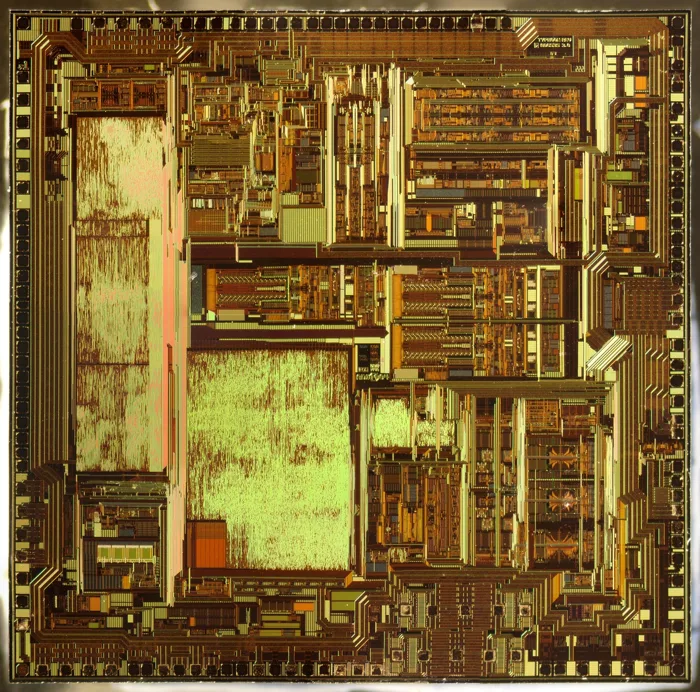
In this technical update we look back at a recent internal review, during which our engineering teams came together to assess progress across the main strands of MicroField's work. The sessions gave each lead the opportunity to present results, flag open questions, and set out the direction of travel for the months ahead. The discussions were detailed and constructive, and they produced a clear, shared picture of where our research stands.
Much of the review concentrated on the foundations of our process work: advances in lithography and deposition, the characterisation of new materials, and the steady refinement of the steps that make miniaturised structures manufacturable. From there, attention turned to micro-transfer printing, the technique that allows pre-fabricated components to be placed with great precision onto a target substrate and which underpins much of our approach to heterogeneous integration.
The later sessions examined smart-system integration and the design and testing of the resulting devices, including how sensing and processing can be combined into compact, reliable modules. We closed by agreeing immediate priorities and the schedule for the next round of work. Taken together, the review was a productive exercise that has already fed directly into our ongoing research across microelectronics and semiconductor technology.
